
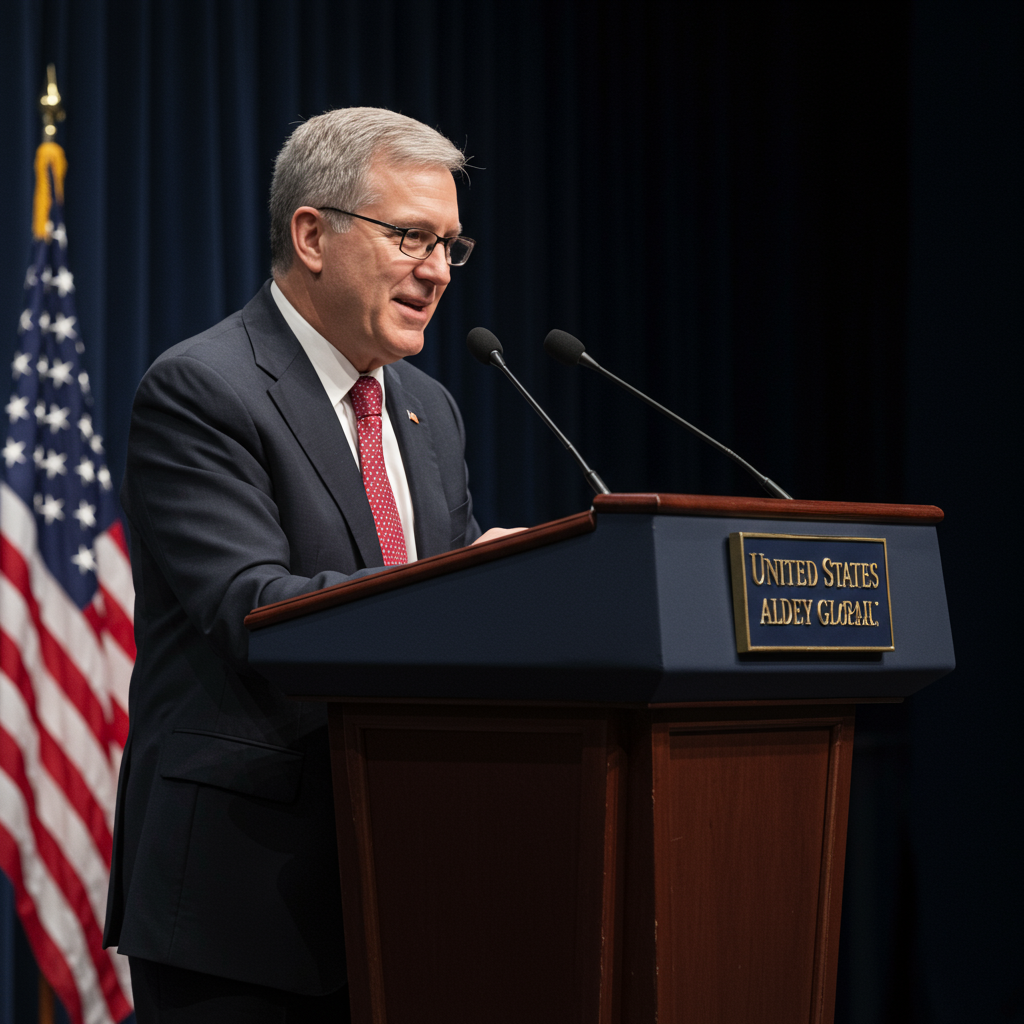
**Why Are U.S. Politicians So Old? A Look Behind the Curtain of Campaign Finance**
Have you ever noticed that many politicians in the United States tend to be… well, older? I mean, it’s not uncommon to see faces in their 60s, 70s, or even 80s running the show. It’s something I’ve wondered about myself, especially when younger generations are often buzzing with fresh ideas and passion. So, why does this happen? What’s the deal with such an aging political crowd compared to other countries?
It turns out, a big piece of this puzzle lies in the way the U.S. funds political campaigns. Let’s break it down like we’re chatting over a cup of coffee.
### The Age Factor in U.S. Politics
Statistically speaking, politicians in the U.S. are among the oldest worldwide. Unlike in some countries where the political scene is vibrant with younger faces, the average age of elected officials here tends to skew quite high. This isn’t just a quirky coincidence; there’s some real structural stuff at play.
### Money Talks: Campaign Finance and Age
One major reason is the nature of campaign finance in the U.S. Running for office here is expensive—think millions for big races like Senate seats or the presidency. Candidates need a steady stream of donations to fund everything from TV ads to campaign staff and travel. But where does this money come from?
Here’s the catch: older Americans generally have more wealth than younger folks. That means they have a higher capacity to donate, and their donations often go to candidates who share their views or whom they see as trustworthy—and unsurprisingly, those candidates tend to be of their own generation or older.
### Wealth and Influence: A Double-Edged Sword
Because older Americans hold a significant chunk of the country’s wealth, their donations heavily influence who gets the funds to run competitive campaigns. Young candidates often struggle to raise enough money because their peer group doesn’t yet have the same financial means to donate large sums.
This creates a bit of a cycle. Older candidates have better access to those donor networks, making it easier for them to launch and maintain campaigns. Meanwhile, younger candidates have to work harder to break through financial barriers, even if they have compelling ideas and passion.
### Why Does This Matter?
When our politicians are mostly older, the policies and priorities may naturally tilt toward issues affecting that demographic. This can sometimes mean less representation for younger generations’ concerns, like student debt, climate change, or tech innovation.
Plus, having a diverse range of ages in office is important for a balanced view of society and forward-thinking governance. It’s not just about age for the sake of it, but about capturing a full spectrum of experiences.
### Could Things Change?
There are lots of ongoing debates about reforming campaign finance to make it more equitable. Ideas include public financing of campaigns, limits on donation sizes, and increased transparency. These reforms could help level the playing field and make it easier for younger or less wealthy candidates to compete.
Until then, the old-guard domination remains, shaped heavily by the flow of money in politics.
### Final Thoughts
So next time you hear someone comment on how “old” politicians seem, remember there’s more than just personal ambition at play. The financial landscape of U.S. elections creates a system where wealth—and by extension, age—plays a starring role. Understanding this can help all of us push for changes that encourage fresh voices and new ideas in the political arena.
After all, democracy thrives when it represents *every* generation, not just the oldest one. Here’s hoping that we’ll see more youthful faces on the political stage in the near future!



Leave a Reply